

Floating Support
Flexible community visits for tenancy sustainment and relapse prevention
Part of Our Care Pathway: Stage 4
Overview
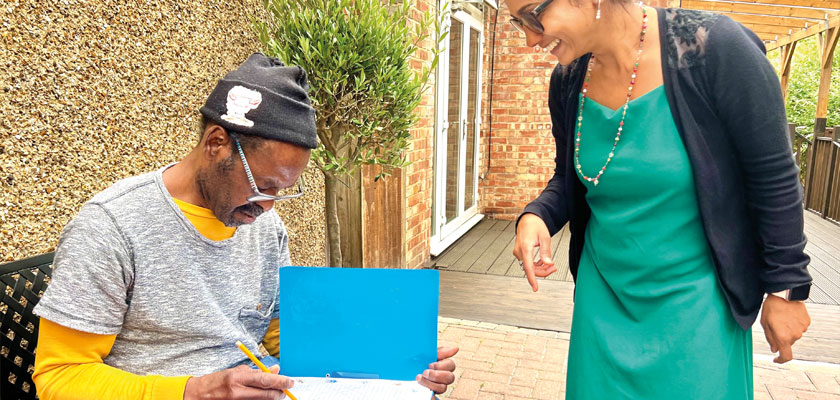
Flexible visits in your own home or community (e.g., daily / weekly check-ins, goal reviews, tenancy sustainment, relapse-prevention).
- Your own home/tenancy in the community
- Flexible visit schedule (daily, weekly or as agreed)
- Light-touch support
- Goal-focused interventions
- Tenancy sustainment support
- Relapse prevention planning
- Maximum independence
- Step-up available if needs change
What Floating Support Includes
Support Visits Typically Cover:
- Daily / Weekly check-ins and wellbeing monitoring
- Goal reviews and progress tracking
- Tenancy sustainment (rent, utilities, housing issues)
- Relapse prevention monitoring
- Appointment reminders or accompaniment (as needed)
- Community integration support
- Benefits and financial management (light-touch)
- Connection to community resources
Visit Frequency:
Flexible based on need—typically weekly, fortnightly or monthly. Can be adjusted as circumstances change.
Often a Good Fit For
People who can maintain a tenancy and manage daily living independently but benefit from light-touch input to stay on track and prevent another crisis or readmission.
Typical Resident Profile:
Clinical Presentation
- Enduring mental health condition (well-managed)
- Long history of stability
- Strong self-awareness and insight
- Established self-management strategies
Support Needs
- Light-touch check-ins to maintain progress
- Occasional practical assistance
- Someone to notice early warning signs
- Tenancy sustainment support
- Goal accountability
- Safety net to prevent escalation
Risk Level
- Very low and predictable risk
- Long period of stability (typically 12+ months)
- Strong understanding of relapse indicators
- Proactive about seeking help when needed
Independent Level
- Fully independent in daily living
- Maintain own tenancy/accommodation
- Manage personal care, finances, appointments independently
- Strong community connections
- Need minimal support
Current Situation
- Stepping down from 9-5 supported living
- Living independently but want safety net
- History shows light-touch input prevents relapse
- Ready for near-full independence
What to Expect
Daily Life:
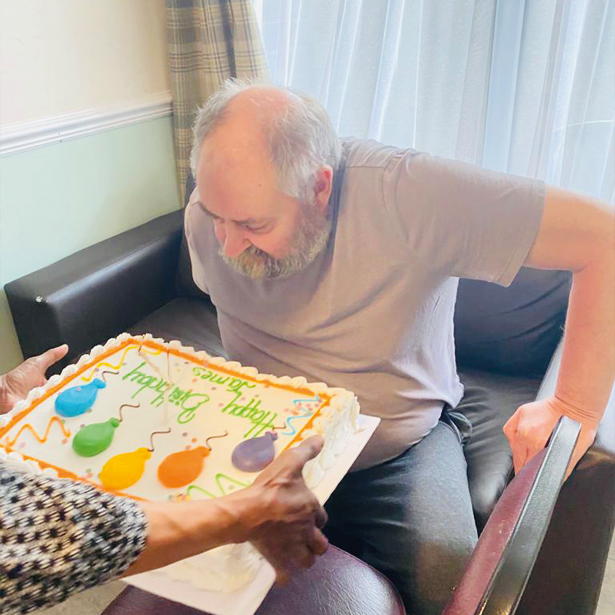
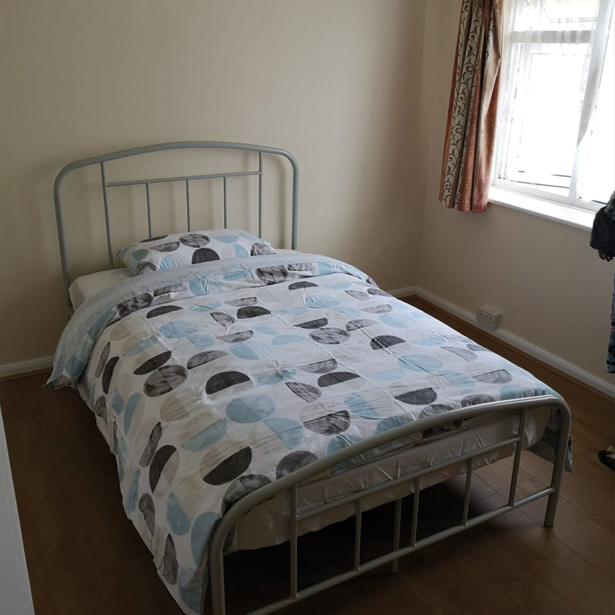
You live completely independently in your own home in the community. Staff visit at agreed times (daily, weekly, fortnightly, or as needed) for check-ins, goal reviews, and light support. Between visits, you manage everything independently.
Support Approach
- Flexible, person-centred visits
- Focus on prevention rather than intervention
- Goal-oriented discussions
- Early warning sign monitoring
- Tenancy sustainment and community integration
- Step-up available immediately if needs change
Staffing Model
- Named support worker
- Scheduled visits (frequency agreed with you)
- Phone/email contact between visits if needed
- Manager oversight and review
What Makes This Different from 9-5 Support
- Much less frequent contact
- Light-touch rather than structured support
- Focus on maintaining independence, not building skills
- You’re fully self-managing with occasional check-ins
What Makes This Different from Full Independence
- Regular structured check-ins maintain progress
- Someone notices if things slip
- Tenancy sustainment support prevents crisis
- Step-up pathway available if needed
Next Steps in Your Journey
When residents consistently maintain stability, manage all aspects of daily living independently, and feel confident without regular check-ins, support can be tailored off and / or move on to a fully independent community flat be sought . However, step-up is always available if circumstances change.
Typical Progression Indicators:
- Sustained stability (18+ months)
- Strong community support networks in place
- Consistent self-management of all daily tasks
- Confident managing without regular visits
- Clear understanding of how to access help if needed
Typical Next Step:
Fully independent living (support discharged), with step-up available if needs change.
Step-Up Always Available:
Life changes. If your circumstances shift or support needs increase, you can step back up to 9-5 Supported Living or any previous pathway level.
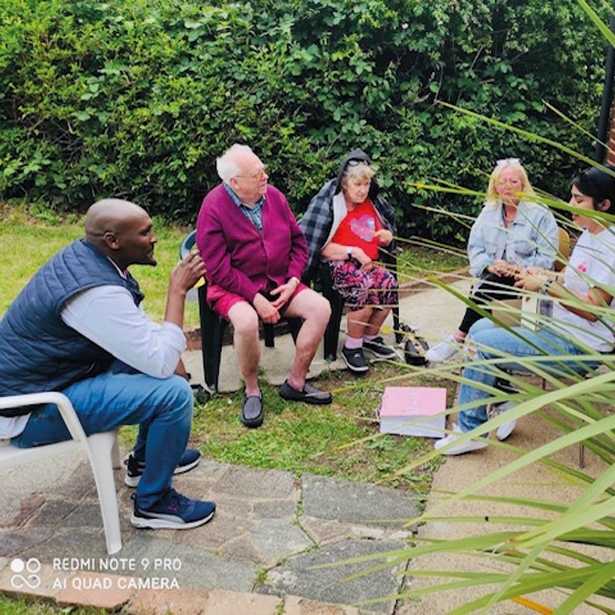
I’ve lived at Stafford Close for five years, and my journey has been amazing. This move allowed me to break free from a destructive lifestyle. I’ve reconnected with my family and left drug use behind. The staff have become like family.
Karen (Floating Support)
How to Refer to Supported Living
Referral Considerations:
When making a referral, please provide:
- Current support plan showing minimal needs
- Evidence of sustained independence (12+ months)
- Tenancy/accommodation details
- Clear relapse intervention plan
- Reason for light-touch support request
- Funding arrangements
Assessment Process:
- Referral discussion
- Review of stability and independence level
- Meet the person and agree visit schedule
- Establish goals and support plan
- Flexible ongoing reviews
Our Floating Support Services
From registered care to supported living, we offer a range of homes at different stages of your journey towards independence.
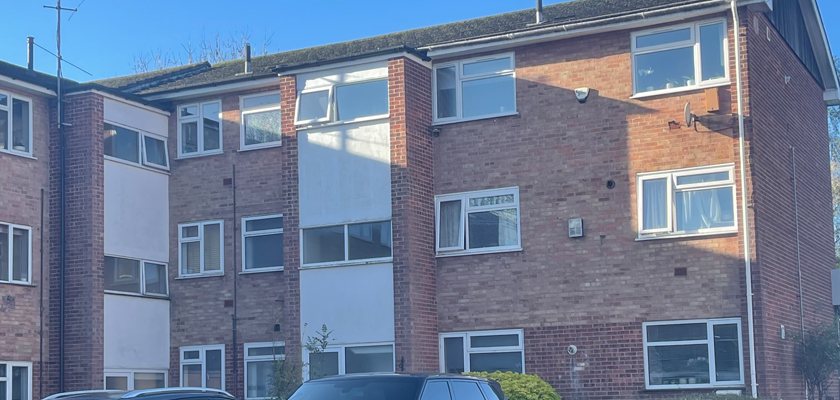
Floating Support

Stafford Close, N14 | 4 individual 1-bed flats
Key Features
Own front door
Visiting Support
Is Floating Support Right for Your Client?
Contact us to discuss how light-touch community support can maintain independence and prevent crisis.