

24-Hour Supported Living
Independent living with your own tenancy and staff on-site 24/7
Part of Our Care Pathway: Stage 2
Overview
Homely settings where people live more independently with their own tenancy/room and staff on site 24/7. Support is tailored, with night cover and planned daytime routines.
- Own tenancy or private room
- Staff on site 24/7 for reassurance
- Sleep – in night cover
- Personalised daily routines
- Clear relapse intervention plans
- Community participation support
- Building confidence at your pace
Often a Good Fit For
Adults with enduring mental health needs such as schizophrenia, bipolar disorder, complex depression, dual diagnoses, who are currently stable, with a clear relapse plan.
They are mostly independent in daily living, but need staff on site for reassurance, prompting, structure and routine. Risk should be low to moderate, with agreed boundaries in place; the focus is steady routines, community participation and building confidence at a pace that feels safe.
Typical Resident Profile:
Clinical Presentation
- Schizophrenia, bipolar disorder, complex depression or dual diagnosis
- Currently stable with clear relapse indicators identified
- Mostly independent in daily living skills
- Benefits from structure, routine and on-site reassurance
Support Needs
- Need staff available 24/7 but don’t require constant oversight
- Benefit from prompting with medication, meals, hygiene
- Need support with community access and social integration
- Require structured daily routines
- May need night-time reassurance or support
Risk Level
- Low to moderate risk
- Predictable with clear warning signs
- Agreed boundaries and risk management in place
- No active safeguarding concerns
Current Situation
- Stepping down from registered care
- Need more than daytime-only support
- History of failed independent placements
- Benefit from knowing staff are always available

What to Expect
Daily Life:
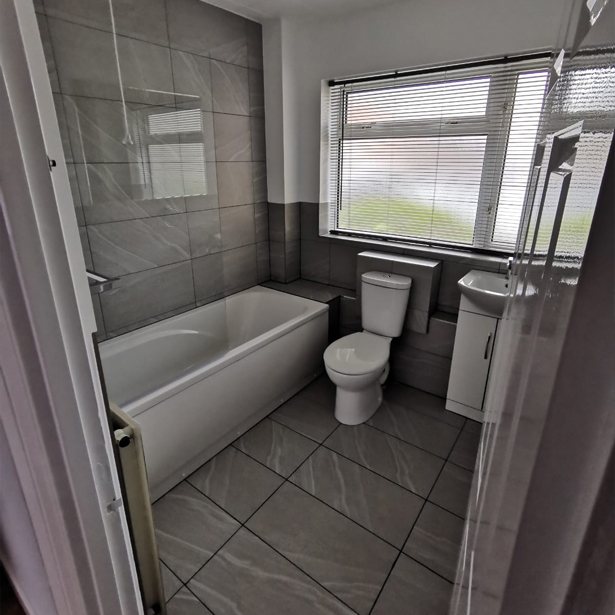
Residents have their own tenancy or private room with greater independence than registered care. You manage your own space while knowing staff are always nearby for support, prompting or reassurance.
Support Approach
- Tailored support plans based on individual goals
- Staff available 24/7 (sleep – in night cover)
- Planned daytime activities and community access
- Keyworker system for consistent relationships
- Digital care planning with clear relapse prevention strategies
- Regular goal reviews and care planning meetings
Staffing Model
- Staff on site 24/7
- Sleeping night shift
- Manager on call 24 hours
- Trained in mental health support and trauma-informed care
What Makes This Different from Registered Care:
- More independence and privacy (own tenancy/room)
- Less intensive oversight
- Greater personal responsibility
- Focus on skill-building and confidence
What Makes This Different from 9-5 Support:
- Staff presence overnight
- More structured support
- Greater reassurance available
- Suitable for residents who aren’t yet safe alone at night
Next Steps in Your Journey
When residents demonstrate sustained stability, confidence in managing overnight alone, and consistent engagement with daytime support, they may be ready to move to 9-5 Supported Living.
Typical Progression Indicators:
- Sleeping safely through the night without staff intervention
- Managing personal care independently
- Low and predictable risk
- Established community connections
- Clear relapse prevention strategies in place
- Resident feels ready for next level
Step-Up Available: If needs increase, residents can step back to registered care or increase support intensity.

Before supported living, I spent time in a mental health ward and felt unsure about my future. Joining Baytree Care’s supported living service helped me rebuild my confidence with the support of staff and my family. I returned to education and completed my first year of a BTEC course with a distinction. Today, I feel supported, proud of my progress, and hopeful about what lies ahead.
Lucy (Northumberland House)
How to Refer to 24-Hour Supported Living
Referral Considerations:
When making a referral, please provide:
- Current support plan and care needs assessment
- Clinical Risk assessment showing low-moderate risk
- Clear relapse intervention
- Evidence of stability (e.g., 3-6 months crisis-free)
- Details of overnight support needs
- Funding arrangements (Universal credit, personal budget, etc.)
Assessment Process:
- Referral discussion and paperwork review
- Meet the resident and current team
- Visit to view properties
- Trial period if appropriate
- Transition planning with step-down approach
Our 24-Hour Supported Living Services
From registered care to supported living, we offer a range of homes at different stages of your journey towards independence.
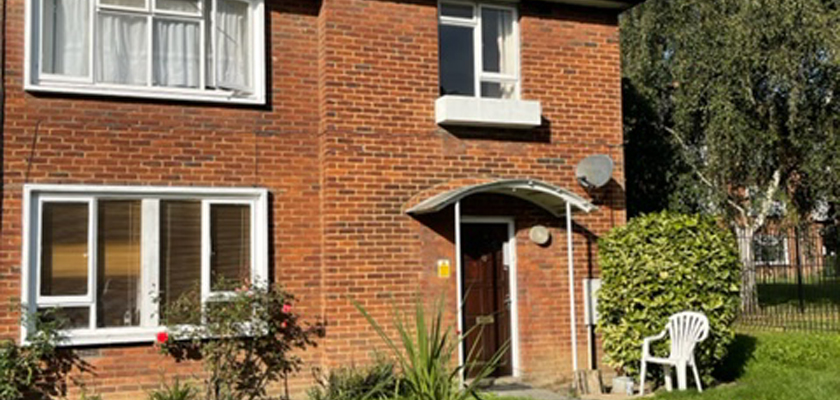
Bramley House

Reservoir Road, N14 | 6 beds + step-down flat
Key Features
En-suite bedrooms
Spacious garden
self-contained transition flat
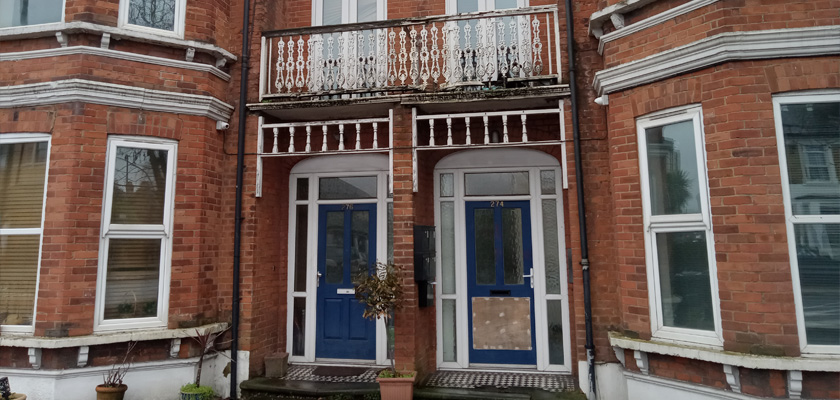
Finchley Supported Living
Ballards Lane, N12 | 12 beds (3-bed communal flat + 4 individual 1-bed flats)
Key Features
Mix of communal and independent living options
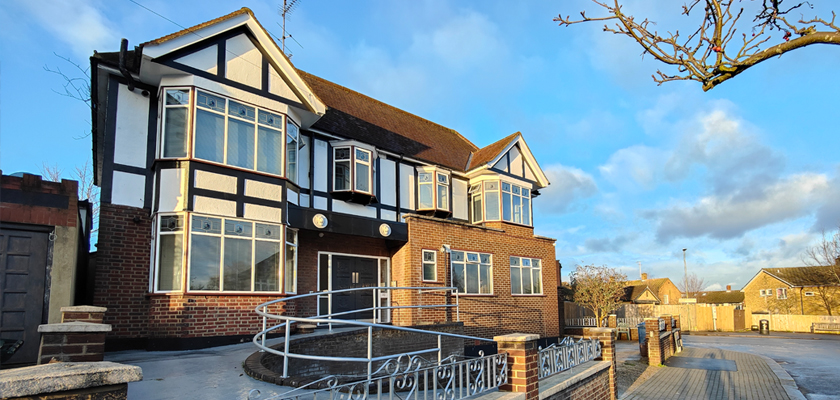
Northumberland House
Northumberland Road, EN5 | 10 studio flats
Key Features
Newly refurbished
Dedicated Activities Space
Individual Studios
Is 24-Hour Supported Living Right for Your Client?
Contact us to discuss capacity, suitability and arrange a visit.